Standing Up for Others Can Have Unintended Consequences

I’m watching An Archdemon’s Dilemma How to Love Your Elf Bride, on Crunchyroll. I’ve been wanting to read the light novel, so when I heard the anime was airing this season I had to check it out!

First and foremost, like a lot of us, the main character has some things he’s working through. After hearing his inner monologue, I’d encourage him to speak nicer to himself.
***SPOILERS AHEAD***

Zagan is a sorcerer, who is anti-social. I don’t blame him for wanting his peace and quiet, and living alone in the woods seems like the ideal place to do so. Flashbacks from his childhood reveal that he’s had a rough upbringing, and had to overcome a lot of challenges to become a strong sorcerer. Society assumes all sorcerers are evil. Zagan does not come across as evil, but he seems indifferent to the plight of others. If he was inconvenienced, like someone loudly attacking an innocent person, and this attack just happened to wake him from his nap, then he’d take care of the troublemaker and go back to sleep, and go about his day. Zagan would stop evildoers if he came across them, but didn’t actively seek them out. One day, after he unintentionally saves a maiden from a bad guy, his sorcerer friend pops up suddenly and tells him an archdemon has passed, and now there is an estate sale. His friend invites him to the estate sale (his friend has an ulterior motive, he wants to put Zagan’s money to use, since no one else will lend him money).

While at this estate sale, Zagan falls in love at first sight with an elf. I have concerns about this relationship starting off on the wrong foot. He tries to get the elf’s collar removed, but finds out it is enchanted and it may be a challenge to get it off without harming her. It seems he wants her to be free. Flashback scenes reveal she may not have a home to return to.

Zagan takes the elf back to his castle-like home, and she thinks he’s going to kill her, or do something possibly worse. The torture devices in his home are not persuading her otherwise (apparently they belonged to the previous owner of the residence, and he was too lazy to remove it from the premises or clean…I get not wanting to clean, but these devices are not good conversation pieces).

Actually I am concerned about Zagan’s state of affairs and how he is living his life. It’s giving “surviving but not thriving.” I am also concerned for the elf.

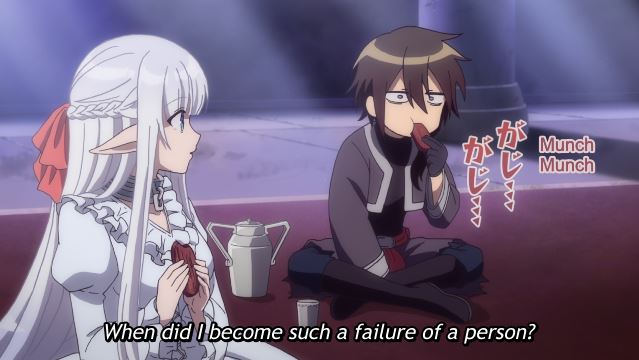
Realization hits the next day, when the elf named Nephy, seems sympathetic Zagan’s eating the same food she is…which is a slice of beef jerky and milk. That’s his breakfast on a regular day, and he would’ve eaten that even if she wasn’t there.

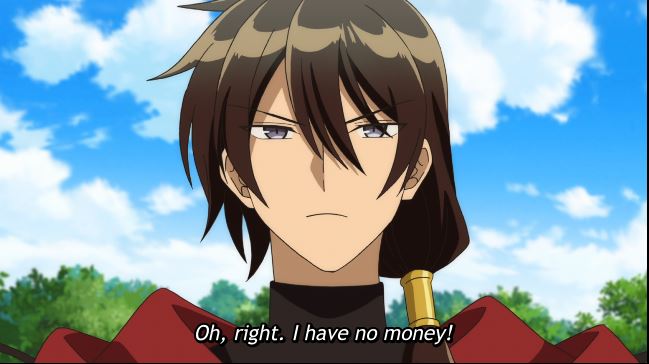
It sounds like Nephy can cook, and she doesn’t seem excited about this jerky and milk meal. So they’re going to get groceries. However Zagan remembers he spent his life savings on acquiring Nephy, so luxuries like an Uber ride or a taxi, aren’t happening. Actually how was he even planning on paying for groceries? His face card?
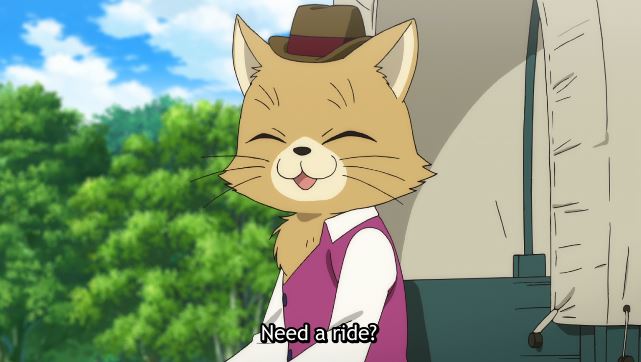
I guess he’s not hanging out the passenger side of his best friend’s ride.
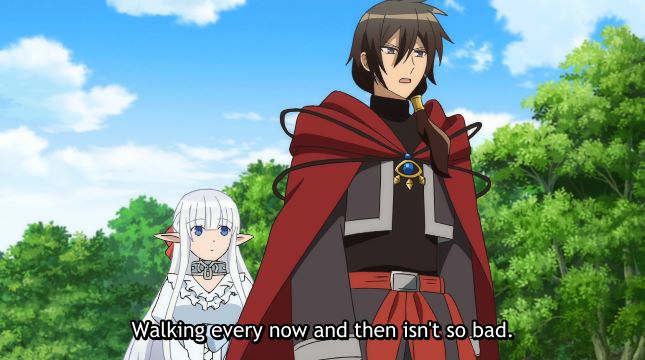
They’re getting their 10,000 steps in today.

Nephy! LOL

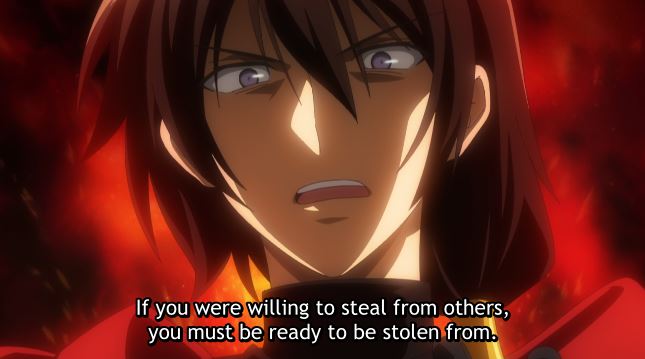
Suddenly bad guys are attacking the wagon, and Zagan senses that Nephy is frightened. He assuages her fear, by showing her his strength, and that people like them should not be a concern. He will keep her safe. But saving people, intentionally or not, has consequences which he soon discovers.
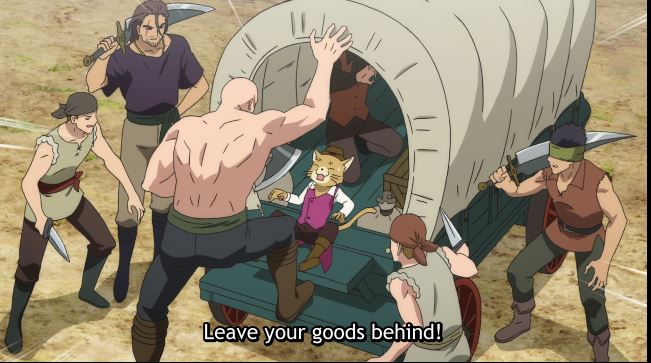
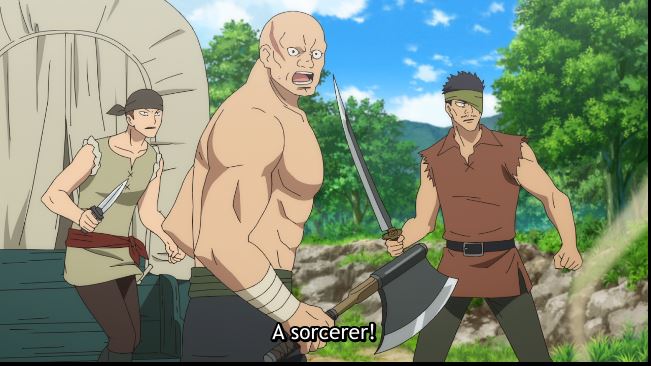
Having a change of heart, the bad guys choose life and make a run for it.

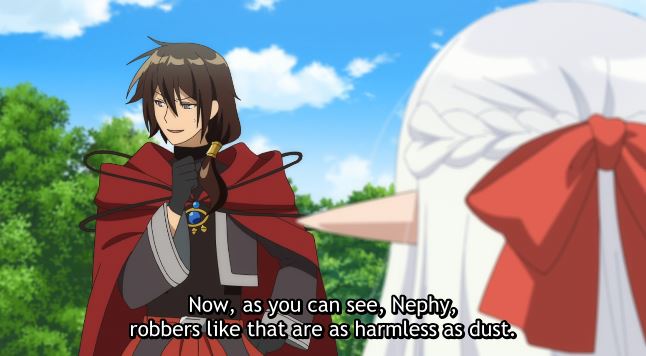
Now Nephy has nothing to fear!
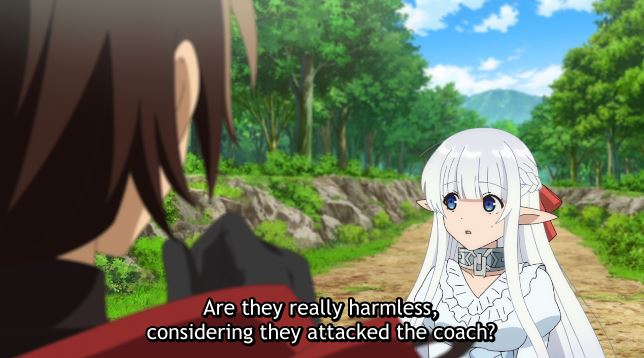
That’s a good one Nephy! You’re so funny.

The people Zagan rescued expressed their gratitude and appreciation for his (unintended) heroic deeds!

No one is more shocked than Zagan.

He’s used to people being scared of him.

Yaaaaaaaas!!!! Manifest!!!
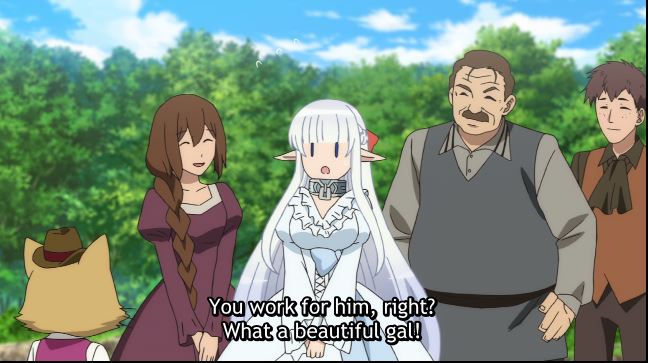
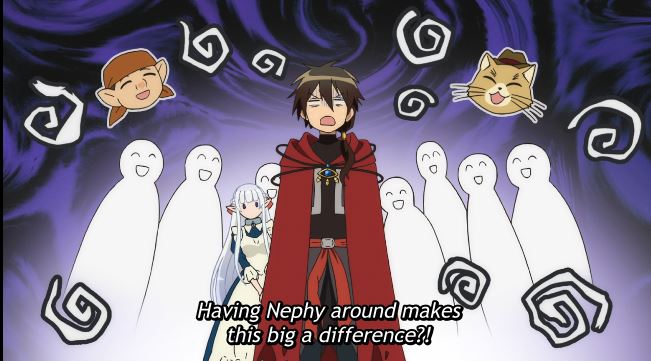
Now they think Nephy works for him! And she must be one of his elite employees!
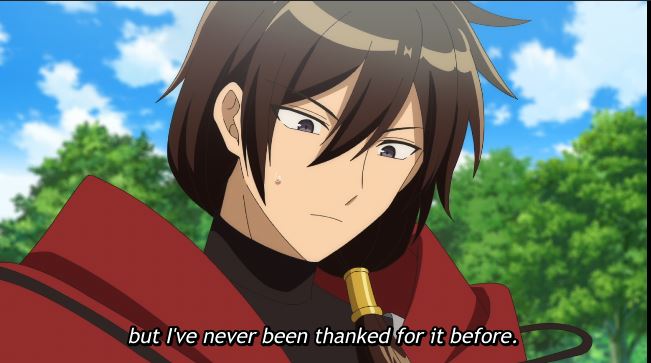
Zagan’s heart is starting to show! I love it. I hope he will embrace his strength to help others, and that it’ll lead him to find inner strength to love himself. He has a kind heart, even if he doesn’t realize it. He’s unintentionally saved other people too! He found out when trying to remove Nephy’s collar, that he saved the shop owner and his daughter. The positive response he received from others is due to his own good deeds, but he thinks it is because of Nephy. He’s shocked by how friendly people are to him. While their kindness is directly related to him, he is more approachable when he is with her, so they can finally express their gratitude.

I’m optimistic about this anime, and I’m looking forward to more episodes!

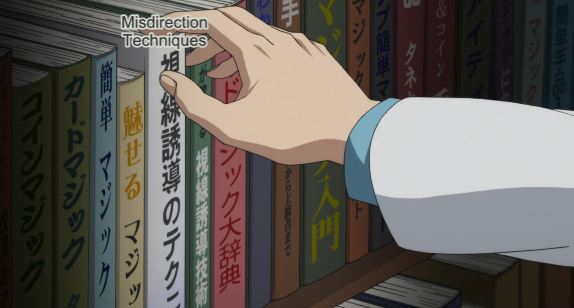
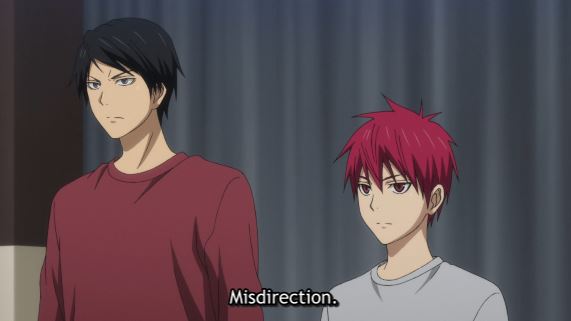
Misdirection

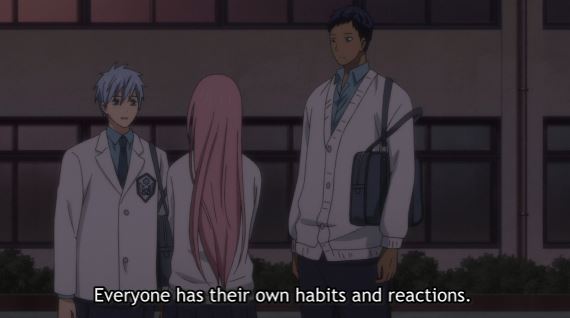
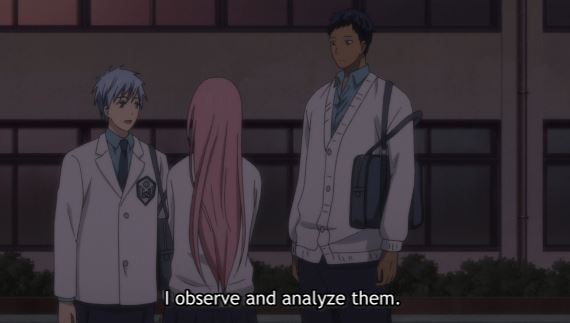
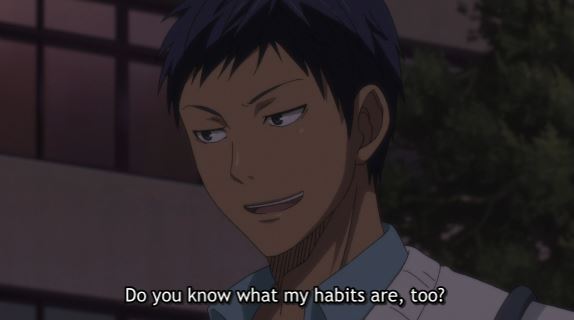
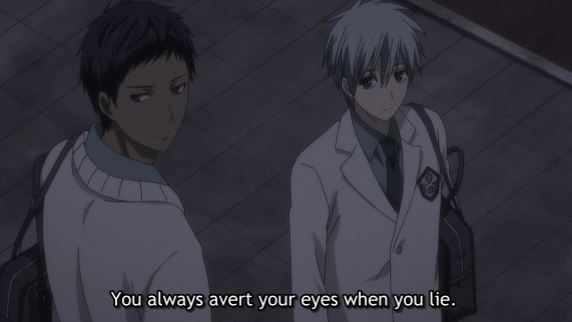
How much do you notice about your environment and the people around you? What about facial expressions, reactions, tone of voice, and patterns of movement? The feelings you get about people, environments, and situations, are they based on your observations? Experience? Intuition? Perhaps a combination of factors? What about your first impressions, are they usually accurate? Are you better at reading body language of people you know versus strangers? Can you read the mood of a room? Atmosphere? When I was at a happy hour for a friend’s promotion, her roommate’s boyfriend and I were talking about energy. He scoffed at it. I mentioned the example, many of us can relate to, and it’s entering a room and sensing immediately that there’s tension so thick you could cut it with a knife. Even without knowing the people in the room, or the topic being discussed, you can sense it. What is it that we sense? He understood what I was trying to convey after using that example. Why do some of us have such a huge presence and some of us don’t? Does it depend on the day and our energy level and mood? Is it something consistent? Is it because of physical features? Why do we notice someone when they enter a room, versus the many who entered without us realizing? What about realizing someone is behind us, without hearing or seeing anything? Or when we can tell someone is staring at us from across the room? What is charisma, and are people born with it, or is it developed over time? Who notices the nuances between people and groups? Those with emotional intelligence? If so, how did they acquire it? Why are some people so stiff in their emotions, body, and speech? How are other people so incredibly welcoming that they exude kindness and warmth?

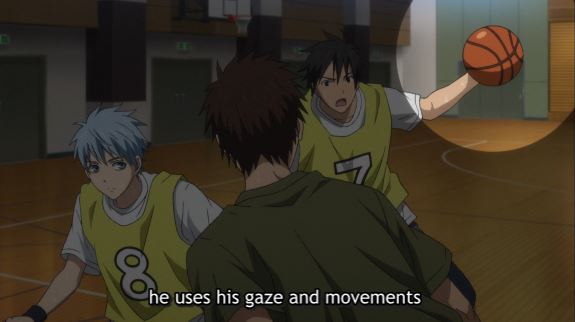
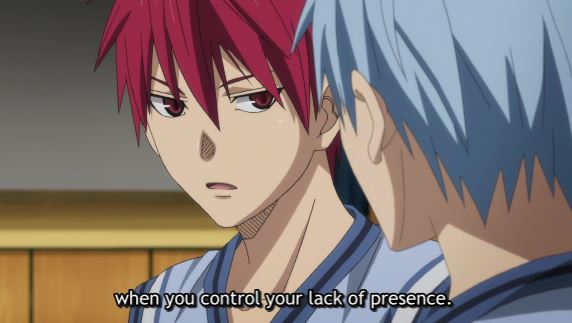
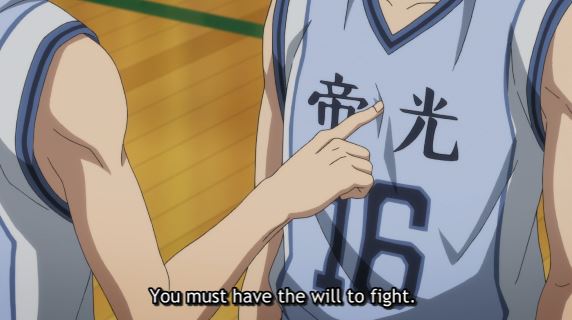
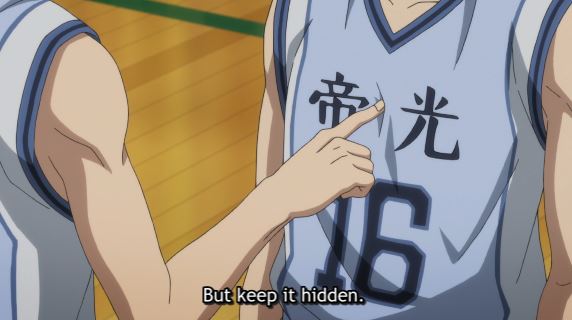
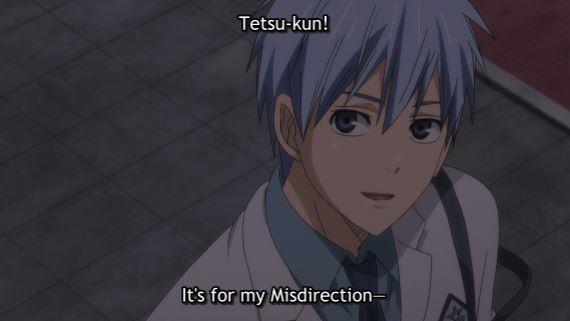
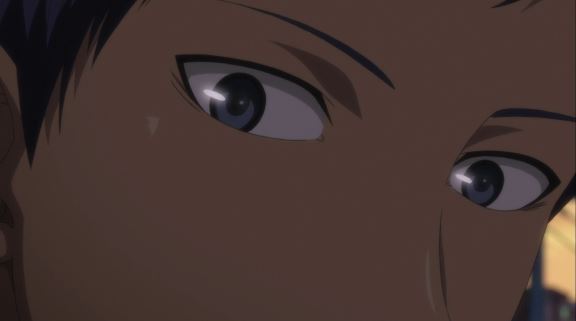
Being a psychology major, I found the episodes in season three of Kuroko’s Basketball, when Kuroko first uses misdirection fascinating. Whether or not the idea is realistic in a basketball game, I leave to the athletes and experts to decide. But as a concept itself, I found it intriguing. Is being aware of these idiosyncrasies, and using them to your advantage, manipulative? Is it something people do subconsciously? Can it be misused by swindlers and advertising companies? How did magicians discover these concepts? Perhaps it’s application to Teiko’s basketball team isn’t too far-fetched?

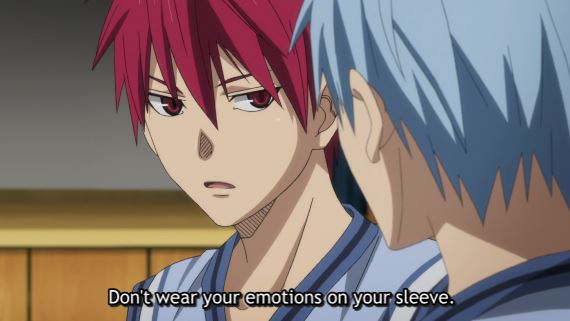
What about people who wear their hearts on their sleeves? Someone who is hot-headed, may need to take a pause before responding to a situation. But in a general sense, people who are open with their feelings in a sincere and authentic way, are usually honest. And hopefully their feelings aren’t riddled with hate, envy, or malice. For people with intuition, and those with a keen sense of human behavior, it will be evident when people use crocodile tears or attempt emotional manipulation. How about nerves? Things that rattle us before important events, like a meeting presentation, a big game, or even a wedding? What IS that? Just an overabundance of energy? Why does it propel some people to greatness, those with an ability to harness it for enthusiasm and drive? And others to freeze? Others to run in avoidance?

When observing others, there are many factors to consider like varying cultures, environment, or health. Is it cold outside and that’s why someone’s movements are rigid? Is someone’s mental health affecting the way they carry themselves? People in healthy relationships with others will carry themselves differently than those in unhealthy relationships. People being persecuted, harmed, or bullied may avoid eye contact. Bullies may have a menacing air or an arrogant attitude. Someone who may be a bully in one situation, could be a victim in another (not excusing the situation, but noting there may be a change in behavior). Confident people may find eye contact with others normal. Those with low self-esteem may not, and it may even be rude to look someone in the eye in some cultures. Families will interact differently with each other than a group of strangers meeting for their first book club. Context plays a major part in what behavior is acceptable and what isn’t. Or, what is common behavior and what isn’t. We bring our own lens as an observer when analyzing human behavior. Our own potential biases is something to consider as well.

I used to study and work on school assignments at a cafe every weekend. It was rich in opportunities to observe human interactions. It was also a popular spot for online dates, not sure why. Especially on Saturday mornings when I was doing homework. Typically those were painful and awkward, so I tried to ignore those. Interestingly, I often had strangers tell me their life stories, even if I tried to avoid eye contact, because my paper had a deadline. All types of people, of various ages, and backgrounds would share their stories.

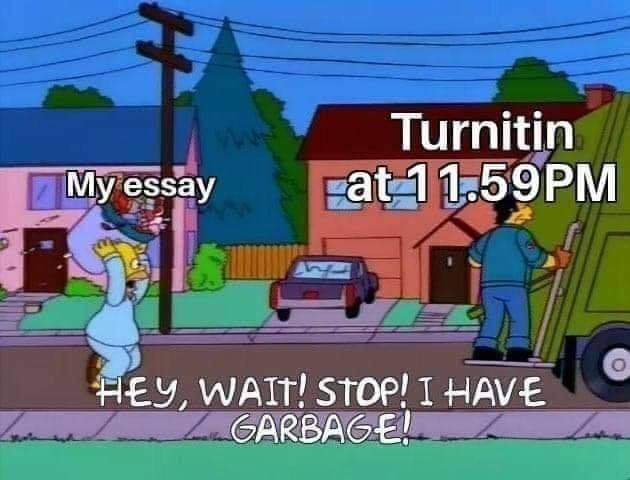
Yes, I probably should’ve started writing my paper earlier. So glad those days are behind me! Credit to the owner/creator of this meme, saw it circulating online and seemed appropriate, if not accurate lol.

I want to know what I was projecting to attract that routinely. Or not projecting that I should’ve been. Overall, I enjoyed the conversations and interactions I had. Perhaps, people felt comfortable sharing with a stranger who wouldn’t judge them, versus someone they’d see often in their daily lives. On a related note, why do lost children always come up to me in stores? Thankfully, all were reunited with their guardians without issue. Parents, please teach your kids, as early as possible what your full names are. I remember one little boy replying that his mother’s name was Mom. Realizing I had to take a different approach, I asked him what her friends called her. Knowing her name now, we were able to find her easily. Whatever part of me, that makes me approachable and lets people feel safe, I am grateful for it. I’m just curious what it is…

Tetsuki Takaoka

I just finished watching season two of Kono Oto Tomare. The music the koto club plays, the way their sound conveys their happiness and soul to their audience, was exactly how I felt as the audience watching the anime. The depth of their relationships, the growth of each character, and their authenticity left a lasting impression upon me. And it wasn’t just the students of Tokise; their club advisor, koto teacher, Hozuki’s mother, and others truly learned from each other and overcame challenges so they could better relate to one another. Their self-esteem, relationships, and quality of life improved tremendously. I think a lot of us go about our day to day affairs, feeling like we’re on auto-pilot, without truly realizing the affect we have on each other. Even seemingly minor interactions can carry depth and meaning. Hopefully those interactions are sincere and add value.

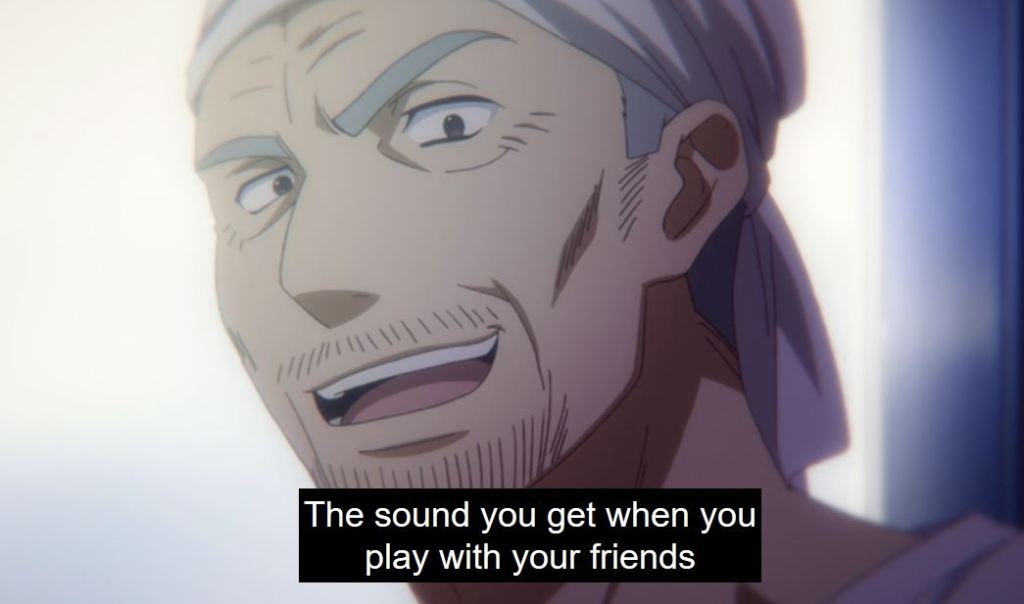
Overcoming his reputation was a hurdle, but the main character Chika Kudo, learned from his mistakes and became a person of integrity and character. He defends what is precious, supports his friends, and is diligent and dedicated to playing the koto. Kudo wants to honor his grandfather’s memory, he visits him often to pay his respects, joined the koto club he created many years ago, and commits himself to daily improvement. Kudo’s grandfather must be proud of him. He’s realized what his grandfather meant about playing with friends. The club members mean so much to him, and he is an anchor providing support to everyone. But it never looks like a burden to him. Kudo now realizes the importance of being reliable, and he is happy to provide that support and warmth to others.

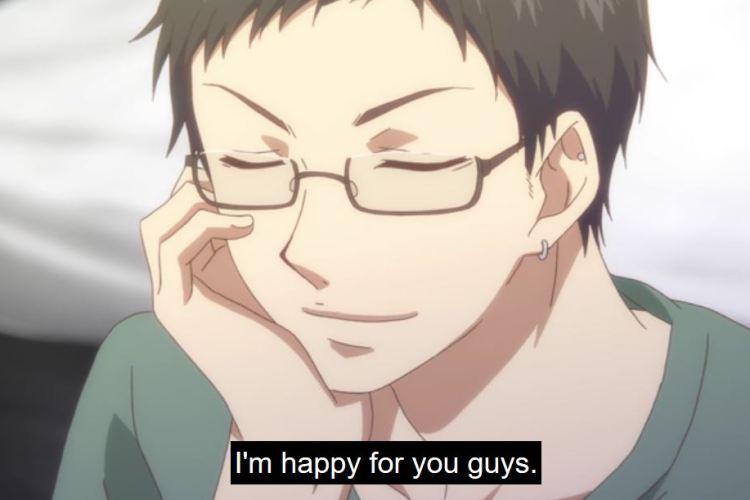
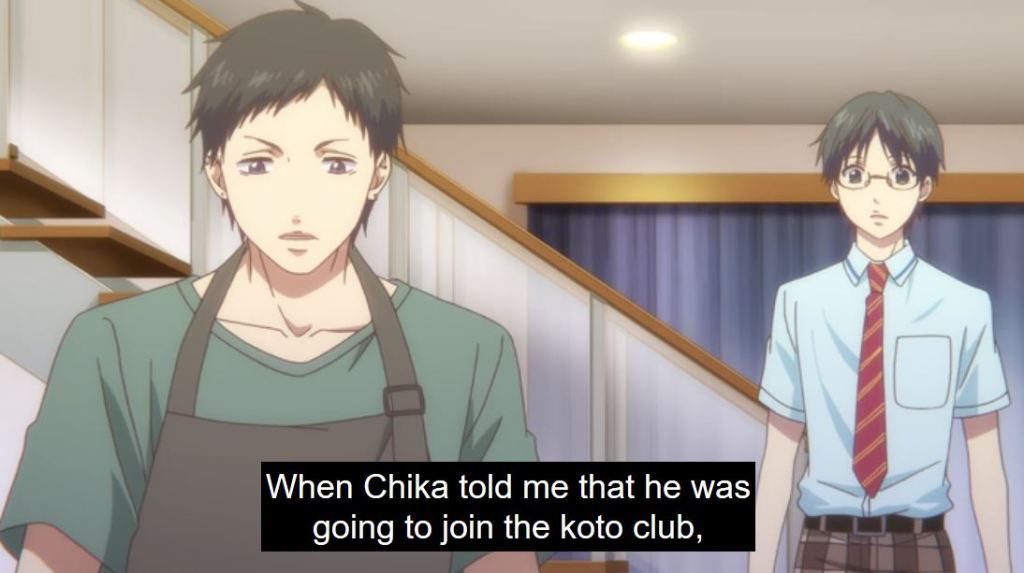
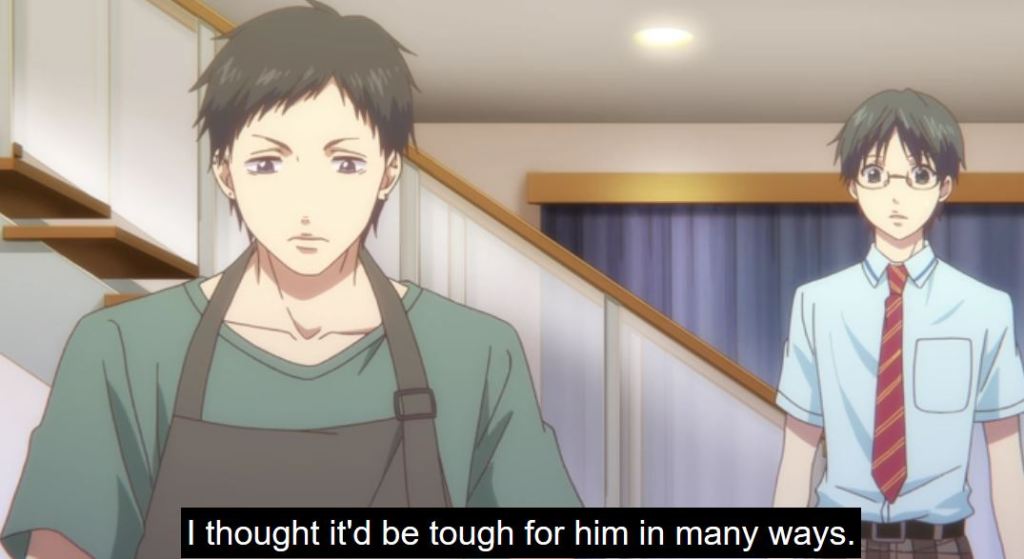
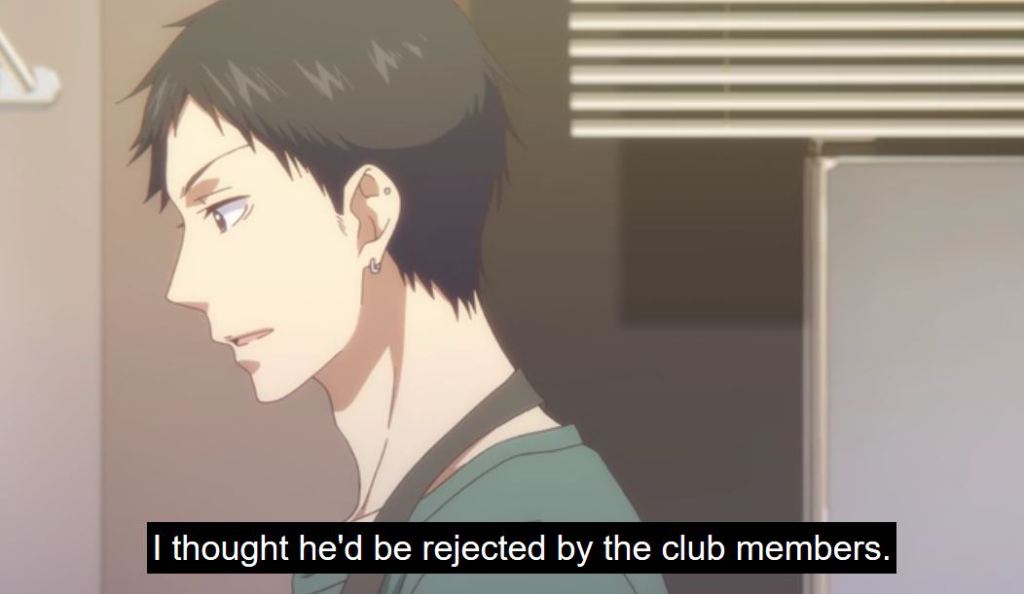
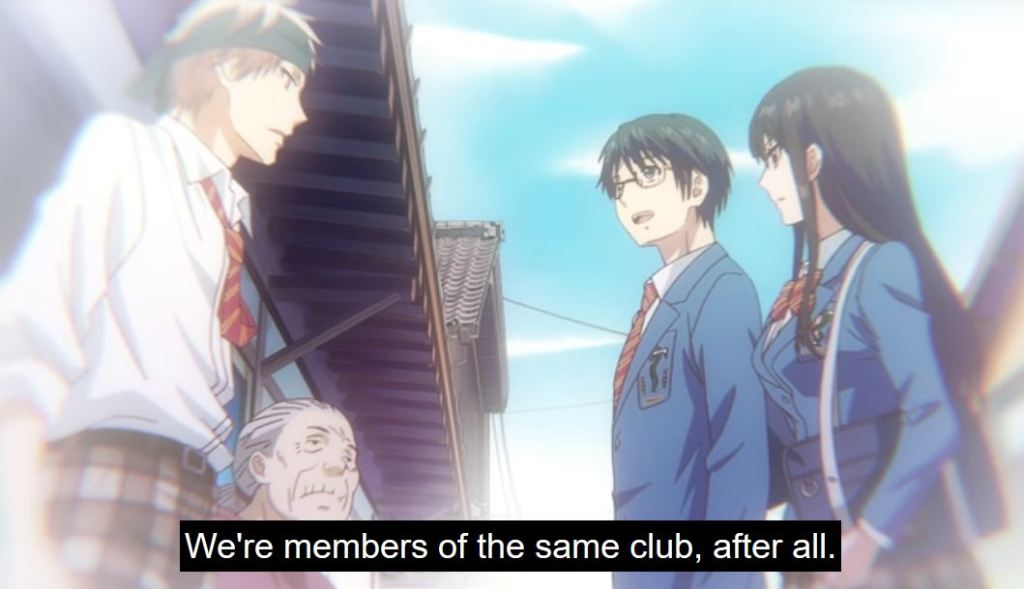
As hard as Chika Kudo has worked, it must be said that Tetsuki Takaoka, his best friend from childhood, was a major contributor to his growth. During the height of Kudo’s challenges, when he was getting into fights regularly, not taking care of himself, and causing turmoil for others, Tetsuki never left him or abandoned him. In fact, when Kudo didn’t return home and sat in an alley as the rain poured, it was Tetsuki who came with an umbrella to find him. He has been a grounding factor and a solid support for Kudo for most of life. Tetsuki intervenes when needed, like when he addressed those three bullies early in season one, but he tends to just support and provide advice when Kudo asks, hoping Kudo comes to his own realizations. There are nuances to human interaction that he doesn’t understand and Tetsuki delicately helps him figure those things out for himself. Tetsuki is an excellent role model, not just for Kudo, but their entire friend group. Role models don’t have to be adults, historical figures, athletes, or celebrities. They can be our peers, family members, friends, or the person we sit next to in class or at work. Tetsuki takes his education seriously (teaching his friends when they need help), cooks nutritious home-made meals for friends, is supportive to others, is able to pick up on the intricacies of human interactions, and he is a person that is loyal and respectful. Tetsuki values his friendships. Elements of Tetsuki’s personality, habits, morals, and character have influenced Kudo. If it wasn’t for Tetsuki, Kudo may’ve continued on his wayward path. With Tetsuki’s support, positive influence, and friendship, Kudo has found happiness in the “sounds of life.”

Kudo overhears the koto club’s president, Kurata, as he replies to Tetsuki “that’s my line.” Kurata realizes the importance and value of Tetsuki’s friendship. Tetsuki himself was a refuge for Kudo, providing a place for him to overcome his hardships, long before he joined the club.

If you’re looking for a show that’s warm and uplifting, I recommend Kono Oto Tomare: Sounds of Life. Both seasons are on Hulu.

Current Anime Viewing

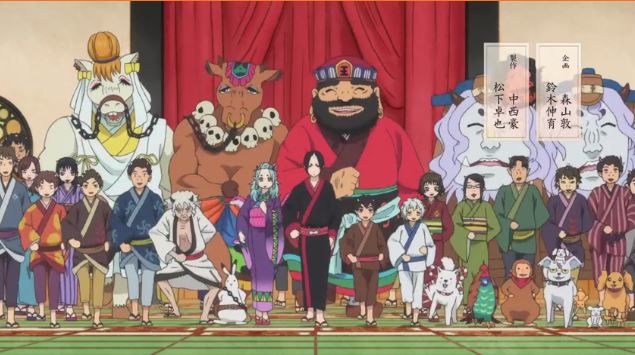
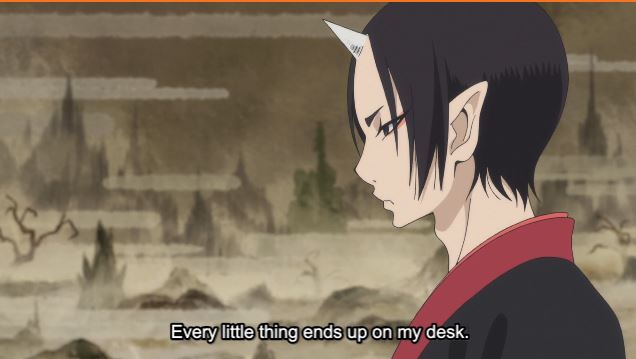
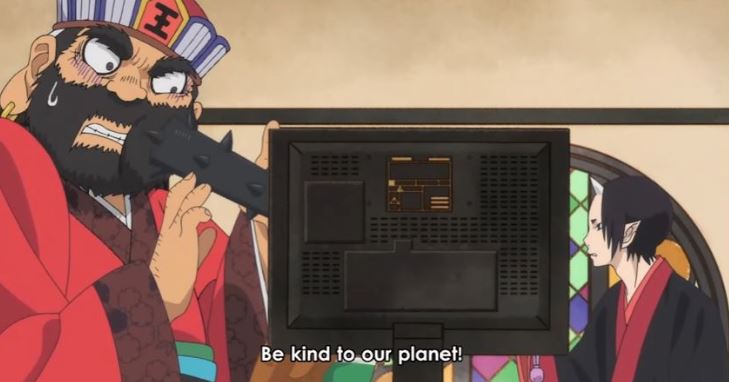
One of the funniest animes I’ve ever watched is Hoozuki no Reitetsu / Hozuki’s Coolheadedness. I’m currently watching season two on VRV, but it’s another show that Sentai had on sale for $4.99 on Black Friday. It’s a workplace comedy with a jaunty opening song, but it doesn’t take place in a traditional office setting, it takes place in hell. Hozuki, the Chief of Staff that supports King Enma, is an ogre who is always calm under pressure and is an excellent manager. And all the ladies love him. I’d love to get my hands on one of his goldfish plants! And him. But I don’t want to go to hell so I guess that relationship isn’t going to work out.
I also started watching Welcome to the NHK.

While Hozuki could be described as dark humor, it is hell after all (but it’s primarily a workplace comedy), NHK is not a comedy and has a heavy feel to it. Topics like unhealthy relationships, mental health, caring for one self, responsibilities, and suicide are some of the important topics it addresses. Although I watched a few episodes this weekend, it is not a show I would binge watch. It gives the viewer a lot to think about and reflect upon. I am usually drawn to comedy, romance, and slice-of-life animes but being a psychology major there are elements of NHK I am drawn to. I’m only on episode five, but I hope if anyone feels the way the characters on the show feels, and needs help, that they will speak to a counselor or therapist. Every life has value and there are people who can help if you’re in pain or need someone to talk to. I’m leaving this very important number here, if anyone needs it:

National Suicide Prevention Lifeline 1-800-273-8255

People enjoy anime for a variety of reasons. My main reason is to laugh and de-stress. Even if that isn’t the main vibe of NHK, it does have some moments of levity. But if you’re looking for a good laugh, and to see how an organized hell would run, check out Hoozuki no Reitetsu!